If you spend time texting friends, browsing social media, watching videos online, or participating in gaming communities, you have probably come across the abbreviation TW.
At first glance, it may seem like just another piece of internet slang, but it actually serves an important purpose in online communication.
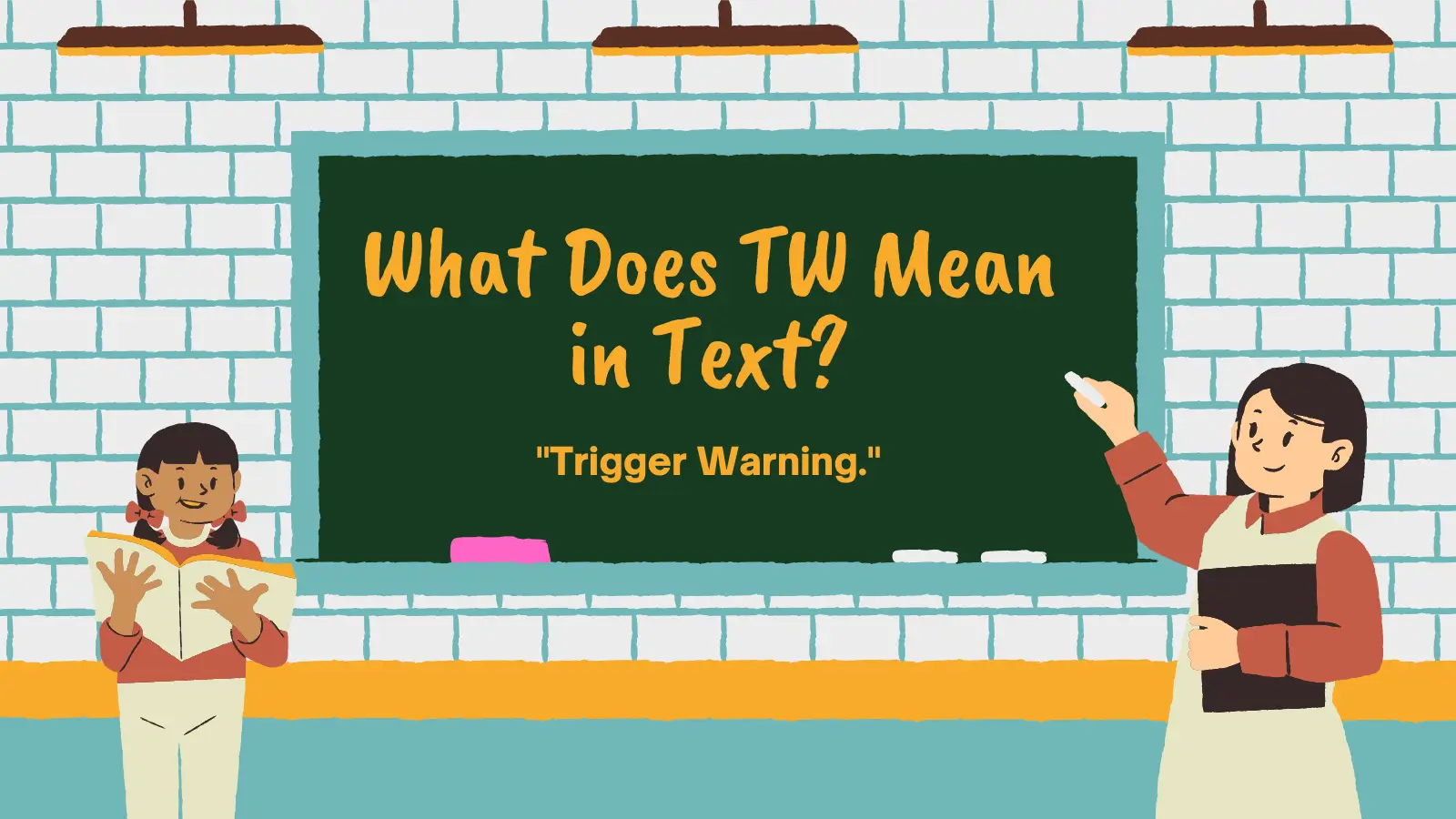
TW stands for “Trigger Warning.” It is used to alert readers, viewers, or listeners that the content they are about to encounter may contain sensitive topics.
These topics could be emotionally difficult for some people because they relate to traumatic experiences, mental health challenges, violence, abuse, grief, or other distressing subjects.
The use of TW has become increasingly common in today’s digital world.
People use it on social media platforms, discussion forums, gaming communities, educational content, and even workplace communications.
Its purpose is not to censor content but to give people advance notice so they can choose If they want to continue reading or viewing it.
Understanding what TW means is important because it helps you communicate respectfully and understand modern online culture.
If you are sending messages, creating content, or simply browsing the internet, knowing how and when TW is used can help you navigate conversations more effectively and avoid misunderstandings.
Definition & Meaning
The abbreviation TW most commonly stands for Trigger Warning.
A trigger warning is a statement placed before content to inform people that the material may include sensitive subjects that could cause emotional distress.
The warning allows readers to prepare themselves mentally or decide not to engage with the content.
The word “trigger” comes from psychology. In mental health discussions, a trigger is something that reminds a person of a traumatic event or painful experience.
This reminder can cause emotional reactions such as anxiety, fear, sadness, stress, or discomfort.
Simple Definition
TW = Trigger Warning = A notice that warns people about potentially upsetting content.
Common Topics That May Include a TW
- Violence
- Physical abuse
- Emotional abuse
- Sexual assault
- Self-harm
- Suicide discussions
- Eating disorders
- Death and grief
- Domestic violence
- Mental health struggles
- Traumatic accidents
- War-related content
Examples in Text Messages
Friend 1st: “TW: Discussion about car accidents.”
Friend 2nd: “Thanks for letting me know before sharing.”
Examples on Social Media
TW: Anxiety and Panic Attacks
“I want to share my experience to help others understand what living with anxiety feels like.”
Examples in Online Communities
TW: Loss of a Family Member
“Today I want to talk about my experience coping with grief.”
In each example, the warning allows readers to make an informed decision before continuing.
It is important to understand that trigger warnings are not meant to prevent discussion. Instead, they provide context and consideration for people who may have experienced similar situations.
Background & History
The term Trigger Warning has its roots in mental health and trauma recovery communities.
Before social media became popular, online support groups and forums were common places for people to discuss personal experiences involving trauma, abuse, and mental health challenges.
Members of these communities often used warnings before sharing detailed stories that could remind others of painful experiences.
The idea behind trigger warnings was simple: allow people to decide If they felt emotionally prepared to read certain content.
Early Internet Usage
During the late 1990s and early 2000s, trigger warnings were frequently seen on:
- Mental health forums.
- Trauma support groups.
- Survivor communities.
- Recovery discussion boards.
At that time, the phrase was usually written in full as “Trigger Warning” rather than abbreviated as TW.
Growth Through Social Media
As platforms like social media networks, content-sharing websites, and content-sharing websites grew in popularity, trigger warnings became more widely known.
Users began shortening the phrase to TW because it was faster to type and easier to place at the beginning of posts.
Examples included:
- TW: Violence
- TW: Abuse
- TW: Self-Harm
Modern Usage
Today, TW is recognized across many online spaces, including:
- Social media
- Online forums
- Educational platforms
- Gaming communities
- News discussions
- Podcasts
- Video content descriptions
While trigger warnings are widely accepted, there is ongoing debate about how often they should be used and which types of content require them.
Despite differing opinions, TW remains a common and recognized internet abbreviation.
Usage in Various Contexts
The meaning of TW remains largely the same across different platforms, but the way it is used can vary depending on the setting.
Texting
In personal conversations, TW is often used before discussing sensitive experiences.
Example
Person A: “TW: Family loss.”
Person B: “Thank you for warning me. I’m here if you need support.”
This helps prepare the other person emotionally.
Social Media
TW is extremely common on social media platforms.
Example
TW: Discussion of depression
“Today I want to share my mental health journey.”
The warning appears before the main content so users can decide If they want to continue reading.
Gaming Communities
Certain games contain disturbing themes such as horror, violence, or psychological stress.
Example
TW: Graphic violence
“This review discusses some intense scenes from the game.”
Educational Discussions
Teachers and educators sometimes provide warnings before discussing difficult historical events.
Example
TW: War and genocide
“Today’s lesson covers historical events involving mass violence.”
Online Forums
Forums often encourage users to include trigger warnings when discussing sensitive personal experiences.
Example
TW: Medical trauma
“Has anyone else experienced something similar?”
The goal across all these contexts is the same: provide notice and allow people to prepare themselves.
Common Misconceptions & Clarifications
Many people misunderstand trigger warnings and how they work.
Misconception: TW Means Content Is Dangerous
Not necessarily.
A trigger warning does not mean the content is harmful. It simply alerts readers that the material may contain sensitive topics.
Misconception: TW Is Only About Mental Health
While TW originated in mental health communities, it now applies to many subjects, including:
- Violence
- Crime
- Death
- Natural disasters
- Abuse
- Traumatic events
Misconception: Trigger Warnings Are Required Everywhere
There is no universal rule requiring trigger warnings. Different communities have different expectations.
Misconception: TW Prevents Free Speech
Trigger warnings do not stop people from sharing information. They simply add context before the content.
Misconception: Everyone Needs Trigger Warnings
People respond differently to content. Some appreciate warnings, while others may not feel they need them.
The key purpose is consideration rather than restriction.
Similar Terms & Alternatives
Several abbreviations and phrases are similar to TW.
| Term | Meaning | Primary Use |
| TW | Trigger Warning | Sensitive topics |
| CW | Content Warning | General caution |
| NSFW | Not Safe For Work | Adult content |
| Spoiler | Plot warning | Entertainment content |
| Advisory | General warning | Professional communication |
CW (Content Warning)
CW is the closest alternative to TW.
Many users prefer CW because it covers a broader range of potentially upsetting content.
NSFW (Not Safe For Work)
NSFW warns users about content that may be inappropriate in workplaces or public settings.
Spoiler Warning
Spoiler warnings protect readers from learning important plot details before watching a movie, reading a book, or playing a game.
Advisory Notices
Professional organizations often use advisory notices instead of internet abbreviations.
How to Respond to This Term
When someone uses TW, your response depends on the situation and your relationship with the person.
Casual Response
“Thanks for the warning.”
“I appreciate the heads-up.”
Supportive Response
“Thank you for letting me know.”
“Take your time sharing. I’m listening.”
Example
Friend: “TW: Discussion about anxiety.”
You: “Thanks for the warning. I’m here if you want to talk.”
Funny Response
When the topic is clearly lighthearted:
Friend: “TW: Terrible cooking photos.”
You: “Now I’m even more curious!”
Professional Response
“Thank you for providing context before sharing the material.”
“I appreciate the content warning.”
Privacy-Conscious Response
“I’ll review this when I feel ready.”
“Thank you for the notice.”
Choosing an appropriate response shows respect and understanding.
Regional or Cultural Differences
The use of TW varies around the world.
English-Speaking Countries
TW is widely recognized in:
- United States
- Canada
- United Kingdom
- Australia
- New Zealand
Non-English Speaking Regions
Many international internet users understand TW because social media platforms are global. However, local languages may have their own equivalents.
Generational Differences
Younger users tend to recognize TW immediately because they frequently encounter internet abbreviations.
Older users may be less familiar with the term and prefer seeing the full phrase “Trigger Warning.”
Cultural Attitudes
Different cultures have different views regarding discussions of trauma and mental health. As a result, trigger warnings may be more common in some communities than others.
The growth of global social media has increased awareness of TW across many regions.
Comparison with Similar Terms
People often confuse TW with other online abbreviations.
| Abbreviation | Full Meaning | Purpose |
| TW | Trigger Warning | Warn about sensitive topics |
| CW | Content Warning | General caution |
| NSFW | Not Safe For Work | Adult content |
| PSA | Public Service Announcement | Informative notice |
| FYI | For Your Information | Helpful information |
| Spoiler | Spoiler Warning | Reveal plot details |
TW vs CW
On the other side TW specifically focuses on potentially triggering material, while CW covers broader concerns.
TW vs NSFW
That relates to emotional sensitivity, while NSFW relates to workplace appropriateness.
TW vs Spoiler
A spoiler warning protects surprises in entertainment, while TW protects emotional well-being.
Understanding these differences helps avoid confusion during online communication.
Usage in Online Communities & Dating Apps
TW is especially common in online spaces where people share personal experiences.
Twitter/X
Users often include TW before discussing:
- Violence
- Mental health
- Abuse
- Graphic news events
Example
TW: Violence
“News report from today’s incident.”
Many communities encourage trigger warnings when discussing difficult subjects.
This helps create a more respectful environment for users.
Discord
Discord servers often establish rules requiring TW labels in certain channels.
Tumblr
Tumblr played a major role in popularizing trigger warnings across social media.
Dating Apps
On dating platforms such as Tinder, users occasionally use TW before discussing deeply personal experiences.
Example
TW: Discussion of grief
“I lost a family member a few years ago.”
Best Practices
- Respect the warning.
- Avoid making jokes about serious topics.
- Read carefully before responding.
- Consider the emotional nature of the discussion.
Hidden or Offensive Meanings
In most situations, TW simply means Trigger Warning.
However, context always matters.
Does TW Have Alternative Meanings?
Yes.
Depending on the conversation, TW can occasionally mean:
- Twin
- Taiwan
- Team Work
- Time Warp
However, when discussing social media or online content, Trigger Warning is usually the intended meaning.
Can TW Be Offensive?
The abbreviation itself is not offensive.
Problems arise only when people misuse it or mock serious topics.
Example of Respectful Usage
TW: Discussion of trauma
“I want to share my recovery journey.”
Example of Potentially Insensitive Usage
TW: Slightly bad coffee
Using trigger warnings sarcastically can sometimes offend people who view them as important tools for discussing trauma.
Because tone can be difficult to detect online, thoughtful use of TW is recommended.
Suitability for Professional Communication
If TW belongs in professional communication depends on the audience and context.
Appropriate Professional Uses
TW may be suitable in:
- Healthcare
- Education
- Counseling
- Human resources
- Research
- Journalism
Example
Trigger Warning: This report contains descriptions of violence.
This wording is professional and clear.
Less Appropriate Situations
Some formal workplaces prefer complete phrases rather than internet abbreviations.
Instead of:
TW: Violence
Use:
Content Warning: This presentation includes descriptions of violence.
Professional Alternatives
- Content Warning
- Advisory Notice
- Reader Discretion Advised
- Sensitive Content Notice
Best Practice
When communicating professionally, clarity should always come first. While many people understand TW, writing out the full phrase ensures everyone understands the message.
FAQs:
What does TW mean in text messages?
TW stands for Trigger Warning. It alerts readers that the following content may discuss sensitive topics.
What is the difference between TW and CW?
TW refers specifically to potentially triggering content, while CW is a broader warning about sensitive material.
Is TW only used on social media?
No. It is also used in forums, educational settings, , support groups, and workplaces.
Can TW have meanings other than Trigger Warning?
Yes. In some contexts, TW can mean Twin, Taiwan, Team Work, or other phrases, but Trigger Warning is the most common online meaning.
Is TW considered internet slang?
It is generally classified as an internet abbreviation rather than traditional slang.
Should I use TW before sharing sensitive content?
If the content includes topics that could cause distress for some readers, using TW can be a thoughtful choice.
Is TW appropriate for professional communication?
It can be, but many professionals prefer writing out “Trigger Warning” or “Content Warning” for greater clarity.
Conclusion:
TW, short for Trigger Warning, has become an important part of modern digital communication.
Originally developed within mental health and trauma support communities, it has grown into a widely recognized abbreviation used across social media, forums, educational platforms, gaming communities, and professional settings.
The purpose of a trigger warning is simple: to give people advance notice about potentially sensitive content.
If the topic involves violence, abuse, grief, mental health struggles, or other emotionally challenging subjects, TW allows readers to make informed choices about how and when they engage with the material.
Although opinions differ regarding when trigger warnings should be used, their overall goal is to encourage respectful communication and greater awareness of diverse experiences. Understanding what TW means helps you participate more effectively in online conversations, avoid misunderstandings, and communicate with empathy.
As internet culture continues to evolve, TW remains a useful abbreviation that promotes consideration and thoughtful interaction across many different communities.

Toni Morrison is a celebrated American novelist known for her powerful storytelling, rich characters, and lasting impact on literature. At GrammerNests.com, she shares insights that help readers appreciate language, writing, and literary expression.