Text abbreviations have become a normal part of online communication. People use them in text messages, social media posts, gaming chats, emails, and even workplace conversations.
OFC is one of the most common internet abbreviations. It helps people reply quickly without typing full words. While it looks simple, its meaning can change slightly depending on the conversation and tone.
Learning what OFC means in text can help you avoid confusion and communicate more naturally. If you are chatting with friends, posting on social media, talking in online games, or messaging coworkers, understanding this abbreviation makes conversations easier.
Next, we’ll learn the meaning of OFC, where it came from, how people use it today, how to respond to it, and when you should avoid using it.
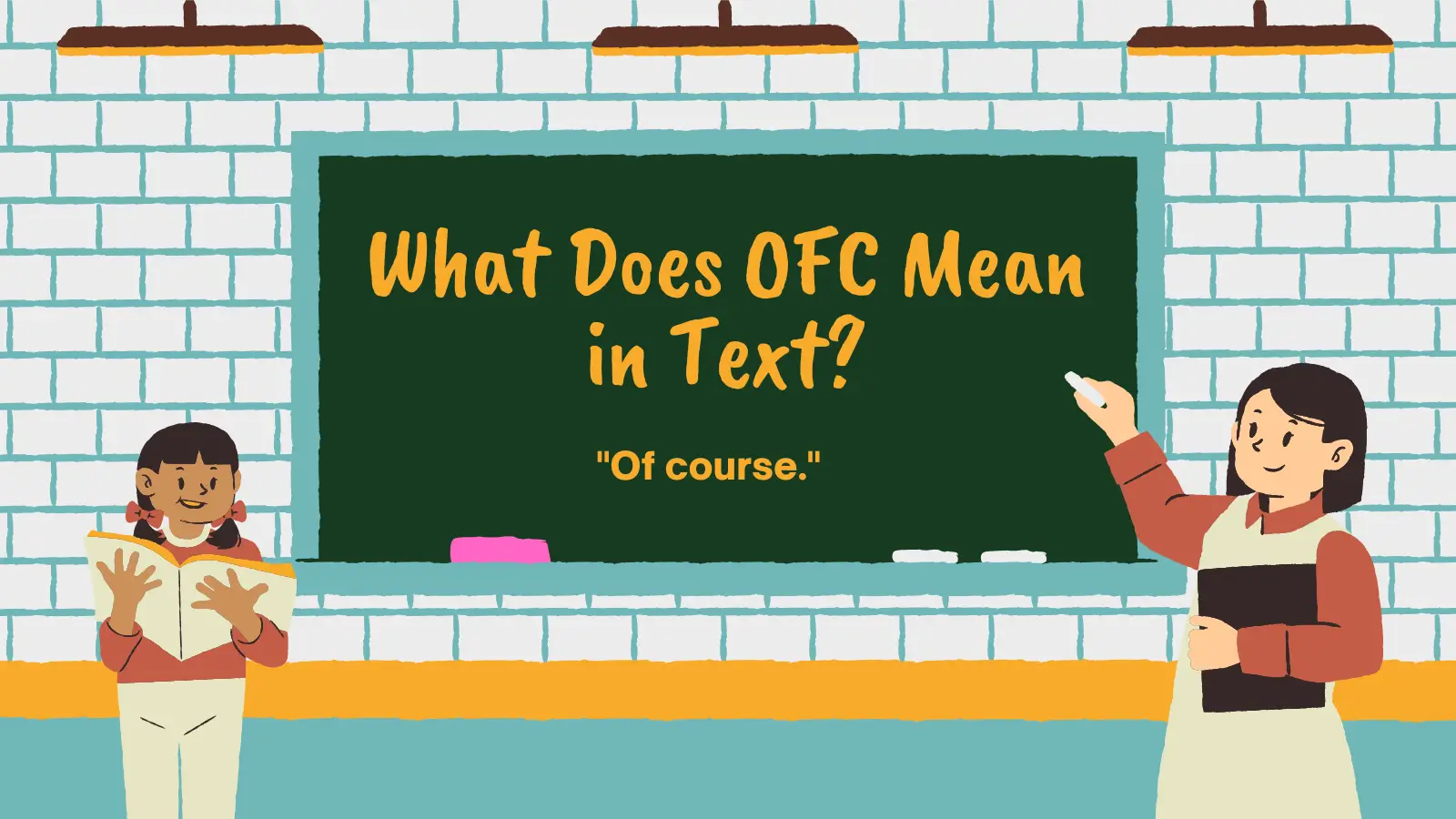
What Does OFC Mean in Text?
OFC stands for “Of Course.”
People use it to show agreement, confirm something, or say that something is obvious or expected.
It is simply a shorter way to write “of course.”
Basic Meaning
When someone types OFC, they usually mean:
- Yes
- Definitely
- Absolutely
- Sure
- Without a doubt
Example 1st
Alex: Are you coming tonight?
Sam: OFC! I wouldn’t miss it.
Example 2nd
Emma: Can you help me with homework?
Ryan: OFC.
Example 3rd
Sarah: Did you finish the game?
Jake: OFC! It was amazing.
In every example, OFC shows confidence and willingness.
Different Meanings Based on Tone
Sometimes the tone changes the meaning.
Friendly
“OFC! Happy to help.”
Excited
“OFC!! Let’s go!”
Sarcastic
“OFC because that’s exactly what I needed.”
The abbreviation stays the same, but punctuation and context change how readers understand it.
The Origin of the OFC
The phrase “of course” has existed in English for hundreds of years. People have always used it to show certainty or agreement.
The abbreviation OFC became popular much later.
It first appeared in:
- Internet chat rooms.
- Online forums.
- SMS texting.
- Instant messaging apps.
During the early 2000s, texting often had strict character limits. People shortened common phrases to save time and space.
Examples include:
- LOL
- BRB
- IMO
- TBH
- OFC
As smartphones became common, abbreviations remained popular because they made typing faster.
Today, OFC appears on:
- Messenger
- Snapchat
- Discord
- Reddit
- TikTok comments
- X (Twitter)
Although people can now type full sentences easily, many still use OFC because it feels natural and informal.
Usage in Various Contexts
Text Messages
Friends often use OFC to quickly agree.
Lily: Want pizza?
Anna: OFC!
Social Media
People reply to posts using OFC.
User 1: Coffee is the best morning drink.
User 2: OFC!
Gaming
Gamers use OFC during team chats.
Player 1: Ready?
Player 2: OFC.
School Chats
Students use it in group projects.
Friend: Did you submit the assignment?
You: OFC.
Family Chats
Mom: Coming home for dinner?
You: OFC.
Workplace (Informal)
Coworkers sometimes use it in casual chats.
Coworker: Can you join the meeting?
You: OFC.
However, writing “Of course” is usually better in professional emails.
Common Misconceptions & Clarifications
Many people misunderstand OFC.
Misconception 1st
OFC always sounds rude.
Not true.
It depends on tone.
“OFC! Happy to help.”
sounds warm.
“OFC.”
May sound short or cold.
Misconception 2nd
OFC is only for teenagers.
False.
Adults also use it in casual online conversations.
Misconception 3rd
OFC is inappropriate.
Normally, it is completely acceptable.
Only sarcasm or rude wording makes it seem negative.
Misconception 4th
Everyone knows OFC.
Not always.
Older users or people new to texting may not recognize it.
Similar Terms & Alternatives
People often use these alternatives.
| Abbreviation | Meaning | Tone |
| OFC | Of Course | Casual |
| Yep | Yes | Friendly |
| Yup | Yes | Informal |
| Sure | Agreement | Neutral |
| Absolutely | Strong agreement | Positive |
| Definitely | Strong yes | Friendly |
| Certainly | Formal agreement | Professional |
Each option works slightly differently depending on the conversation.
How to Respond to OFC
Here are different response styles.
Casual
Friend: OFC!
You: Thanks!
Funny
Friend: OFC!
You: I knew you’d say that.
Professional
Coworker: OFC, I’ll finish it today.
You: Thank you. I appreciate your help.
Privacy-Conscious
Friend: OFC. Where do you live?
You: I’d rather keep that private.
Friendly
Friend: OFC!
You: You’re the best!
Regional or Cultural Differences
OFC is understood in many English-speaking countries.
It is common in:
- United States
- Canada
- United Kingdom
- Australia
- New Zealand
People learning English also use it online because internet slang spreads quickly across countries.
In some regions, people prefer writing the full phrase “Of course.”
Others use local expressions instead.
For example:
- Sure
- Yep
- Absolutely
- No problem
While the abbreviation may vary, the meaning stays almost the same.
Comparison with Similar Terms
| Term | Meaning | Best Use |
| OFC | Of Course | Quick agreement |
| IMO | In My Opinion | Sharing opinions |
| TBH | To Be Honest | Honest statements |
| FR | For Real | Confirming something |
| NGL | Not Gonna Lie | Honest opinion |
| YW | You’re Welcome | Reply after thanks |
| NP | No Problem | Friendly response |
OFC focuses on agreement, while the others serve different purposes.
Usage in Online Communities & Dating Apps
Tinder
Someone might ask:
Alex: Are you free this weekend?
Taylor: OFC
This usually shows interest and enthusiasm.
Twitter (X)
People reply:
“OFC this movie deserved an award.”
Friend:
“You looked amazing!”
Reply:
“OFC you noticed!”
Discord
Gamers often answer:
“OFC.”
to confirm they’re ready.
Users frequently write:
“OFC everyone has different opinions.”
Tips
- Read the tone before replying.
- Emojis often make OFC sound friendlier.
- Avoid assuming sarcasm.
Hidden or Offensive Meanings
The standard meaning of OFC is “Of Course.”
It is not considered offensive.
However, tone matters.
Friendly
“OFC! I’ll help.”
Rude
“OFC Anyway.”
Sarcastic
“OFC that’s my luck.”
The abbreviation itself is harmless.
Only the surrounding words change the feeling.
Some people may mistakenly confuse OFC with other abbreviations, but in normal texting it almost always means “Of Course.”
Suitability for Professional Communication
Using OFC depends on the situation.
Good Situations
- Team chat.
- Internal messaging.
- Casual coworker conversations.
Better Alternatives
For emails or formal documents, write:
- Of course.
- Certainly.
- Absolutely.
- I’d be happy to.
- Yes, certainly.
Professional Example
Instead of:
“OFC.”
Write:
“Of course. I’d be happy to assist.”
Using complete words makes your message sound more polished and respectful.
FAQs:
What does OFC mean in text?
It means “Of Course.”
Is OFC rude?
No. It is usually friendly. Tone determines If it sounds polite or sarcastic.
Can OFC be used in emails?
It is better to write “Of course” instead of the abbreviation in formal emails.
Is OFC popular on social media?
Yes. It is widely used on Instagram, TikTok, X, Snapchat, Discord, Reddit, and messaging apps.
Does OFC have another meaning?
In everyday texting, it almost always means “Of Course.” Other meanings are uncommon and depend on specialized fields.
Should I use OFC with my boss?
It is safer to use the full phrase “Of course” in professional communication.
Conclusion:
OFC is one of the simplest and most common text abbreviations used online. It stands for “Of Course” and expresses agreement, confidence, or willingness to help.
If you see it in text messages, gaming chats, social media comments, or casual workplace conversations, it usually carries a friendly and positive meaning.
The key to understanding OFC is paying attention to the surrounding words and the overall tone of the conversation. While it works well in informal settings, writing the full phrase “Of course” is a better choice for professional emails and formal communication.
By learning abbreviations like OFC, you can understand online conversations more easily and communicate with confidence in today’s digital world.
Read More Posts:
- Understanding WTW in Text: Meaning, Origin & Modern Usage
- Complete Guide to WYF Meaning in Text (2026)
- FWS Text Meaning with Real Examples 2026

Toni Morrison is a celebrated American novelist known for her powerful storytelling, rich characters, and lasting impact on literature. At GrammerNests.com, she shares insights that help readers appreciate language, writing, and literary expression.